


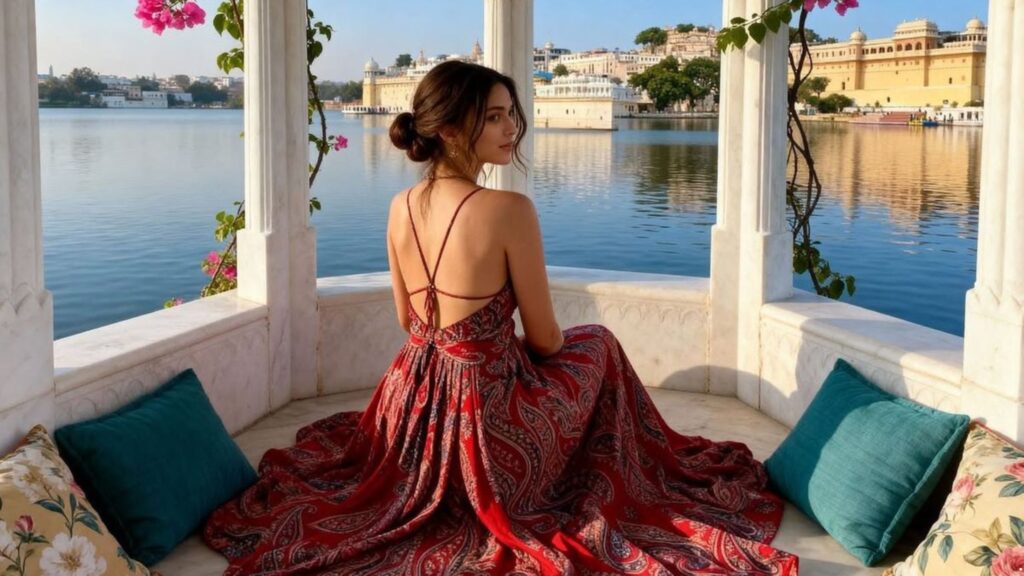
Instagram isn’t just a place to post pretty photos — it’s the modern runway, laboratory, and marketing engine that creates and accelerates fashion trends. Over the past few years a string of micro-aesthetics and viral moments (from Y2K revivals to the “clean girl” look and Barbiecore) have gone from niche corners of the internet to mainstream wardrobes and retail sell-outs.
This article breaks down the biggest Instagram-driven fashion waves, why they caught fire, how creators and brands capitalised on them, and what every stylist, creator or brand should learn from the era of algorithmic style.
Why Instagram-born trends matter (and why they spread so fast)
Instagram (and its close cousin, Instagram Reels) compresses discovery, aesthetics and commerce into one stream. A few things make Instagram uniquely powerful at creating trends:
- Visual-first format: A single swipeable carousel or a 15-30 second Reel can show whole outfits, transitions, and product details in seconds — perfect for replicable fashion signals.
- Creator amplification: Influencers and micro-creators act as taste curators. When a creator with a receptive audience styles a piece a certain way, followers copy it en masse.
- Hashtag & sound economies: Hashtags and trending audio group content and turn style moments into participatory challenges.
- Shoppable content: Tags and in-app checkout close the discovery → purchase loop, turning virality into immediate sales.
These dynamics mean fashion on Instagram moves at lightning speed: microtrends appear, mutate and either fade or get absorbed into mainstream retail within months. Reports and trackers like Vogue Business’ trend tracker show how quickly aesthetics propagate across creators and platforms.
The viral trends that reshaped feeds (and closets)
Below are the most influential Instagram-fueled trends of recent years, how they looked, why they resonated, and examples of how they translated to commerce.
1. Y2K Revival — nostalgic, flashy, hyper-personal
What it is: Low-rise jeans, baby tees, rhinestones, micro-bags, and playful logos — the early-2000s wardrobe remixed for Gen Z.
Why it went viral: Nostalgia + remix culture. Gen Z discovered Y2K through archived celebs, vintage resellers and creator styling hacks; Instagram Reels made quick transformation videos irresistible. The aesthetic’s boldness also photographs well (contrast, sparkle, transitions).
Real-world effect: Fast fashion and vintage marketplaces saw demand spikes for low-rise cuts, cargo pants and Y2K accessories. Contemporary feeds show Y2K pieces paired with modern tailoring for a fresh look.
2. Clean Girl Aesthetic — minimal, polished, aspirational
What it is: Neutral palettes, slick hair, glossy skin, simple jewelry and a “no-effort” look that’s actually highly curated.
Why it went viral: It’s aspirational and easy to replicate — a white tee, gold hoops and neat hair become instantly Instagrammable. Beauty and fashion creators turned the aesthetic into tutorials, producing reusable content templates.
Real-world effect: Beauty brands and skincare lines leaned into “glow” products and minimalist packaging; wardrobe staples (well-fitting tees, tailored blazers) sold out after creators showcased capsule wardrobes. Media trackers call this a major micro-trend of the 2020s.
3. Cottagecore & Coquettecore — fantasy, femininity, and hyper-romance
What it is: Flowing skirts, floral prints, peter-pan collars, and an emphasis on handmade, vintage or countryside romance. Coquettecore twists that with playful bows, ribbons and a very “doll-like” styling.
Why it went viral: Cottagecore taps into escapism. During uncertain times people shared slow-living visuals; Instagram’s image grid made these pastoral tableaux a perfect match. Creators turned styling into aspirational storytelling.
Real-world effect: Niche brands and thrift stores benefitted; DIY and slow-fashion businesses found a passionate audience.
4. Quiet Luxury / Billionaire Core — understated status
What it is: Understated silhouettes, expensive fabrics (cashmere, silks), neutral palettes and logomask avoidance — the look signals wealth without shouting.
Why it went viral: Reacting to overt branding and micro-influencer clout, some creators embraced an aspirational quietness. The aesthetic photographs as timeless — clean lines and quality fabrics translate well on camera.
Real-world effect: Luxury houses and high-end contemporary labels leaned into timeless pieces, while resale markets for designer staples boomed. Media outlets documented how “quiet luxury” became a cultural conversation.
5. Barbiecore & Pink Pop — maximal, joyful, hyper-feminine
What it is: Monochrome pink outfits, playful accessories, and high-contrast, cheerful styling inspired by Barbie imagery.
Why it went viral: Big cultural moments (movies, celebrity looks) plus Instagram’s visual punch turned pink into a meme and then a trend. The color reads clearly in thumbnails and reels, prompting mass replication.
Real-world effect: Brands released capsule collections and pink merch sellouts followed. The trend shows how entertainment moments + Instagram aesthetics collaborate to create massive retail demand. (See how brands historically capitalise on cultural moments.)
6. Dark Academia / Preppy Revival — intellectual nostalgia
What it is: Tweeds, pleated skirts, loafers, layered knits and literary vibes.
Why it went viral: It’s photogenic, story-driven content: creators film reading, coffee-table shots, and moody study scenes. The aesthetic doubles as moodboard content and outfit inspiration.
Real-world effect: Vintage and thrift markets doing smart tailoring found new audiences; independent accessory brands selling scarves, satchels and brooches saw elevated demand.
7. Core Mashups, Microtrends and “—core” culture
What it is: The platformization of aesthetics produced endless micro-cores — ski-core, blunge (blazer+lounge), blokecore (football/bootcut hybrid), and so on. Each is a narrow, imageable set of signals.
Why it went viral: Algorithmic feeds love clear, repeatable visual codes. Creators coin names, tag them, and the tag becomes a discovery engine that accelerates replication. Publications now keep A→Z lists of micro-trends because they’re culturally and commercially significant.
How brands turned Instagram virality into revenue
When an aesthetic takes off, retail responds. There are three typical brand playbooks:
- Fast follow (fast fashion): Retailers quickly produce variations of trending silhouettes and colors to meet demand. Zara is a classic example of speed turning trends into sales at scale. Fast, localized drops and scarce inventory create urgency.
- Curation & collaboration: Smaller D2C brands and indie designers lean on creators for curated capsule drops — the partnership makes the product feel “discovered.” Influencer collaborations that produce limited editions or co-created products are particularly effective.
- Cultural amplification: Established brands use campaigns, celebrity styling, and editorial content to ride the same tides but with a higher-margin, long-lasting strategy (e.g., quiet luxury pieces or heritage lines reissued).
A successful brand response is both fast and authentic: token product pushes fail, but thoughtful collaborations, user participation (UGC), and actual inventory availability win.
Anatomy of an Instagram fashion breakout (step-by-step)
- Seed moment: A creator posts a distinctive outfit or transformation Reel (could be high-profile or micro-influencer).
- Replication loop: Others reuse the sound, replicate the styling, and add their own twist — soon it’s a hashtag or a recognized motif.
- Platform boost: Algorithmic exposure multiplies reach — Reels and Explore push similar content to adjacent audiences.
- Media pickup: Fashion media and aggregator accounts amplify the trend, giving it cultural legitimacy.
- Retail response: Brands either release product drops or marketing that aligns with the trend. Shoppable tags turn inspiration into purchase.
- Mainstreaming or fade: The trend either becomes a staple (e.g., relaxed tailoring) or fades into the next microtrend.
Vogue Business and other trackers document how quickly these stages can compress, especially when trending audio or a celebrity moment is involved.
Creators, consumers and copycats: Who benefits (and who loses)?
- Winners: agile D2C labels, vintage sellers, micro-creators (who can monetize through affiliate links, partnerships or their own drops), and shoppers who want fresh looks.
- Losers / ethical questions: fast fashion’s environmental footprint grows when trends accelerate; small artisans can get squeezed by copycat mass production; creators sometimes see their aesthetics commodified without compensation. The virality economy rewards speed — not always fairness.
Case studies: Real examples of Instagram virality → commercial outcomes
e.l.f. / beauty playbook (social product iteration)
Beauty brands have shown how to translate viral moments into product innovation and demand. Viral creator content about product hacks has led some companies to iterate formulations and launch new SKUs with creators fronting the launch — turning UGC into R&D and marketing simultaneously. This model underscores how social feedback loops can shape product pipelines.
SKIMS & celebrity power
Celebrity-adjacent brands that combine clear product messaging, inclusive sizing and an influencer network have shown sustained growth after social moments pushed their products into mass awareness. Limited drops and aspirational visuals make these brands fast beneficiaries of platform trends.
How creators should craft trend-proof fashion content
- Make it repeatable: Create templates — a transition, a signature pose, or a styling trick that others can copy. That increases the chance of a trend hashtag forming.
- Educate while entertaining: Quick tutorials (“how to style X three ways”) perform well because they offer both inspiration and utility.
- Use sound strategically: Trending audio multiplies visibility across Reels and Explore.
- Be timely, but authentic: Jumping on every trend dilutes a personal brand. Pick trends that align with your signature aesthetics.
- Tag & source: Crediting brands (and tagging products) builds trust and unlocks affiliate / brand opportunities.
How brands should prepare for the next Instagram-driven trend wave
- Watch micro-signals: Trend trackers, creator posts, and niche hashtags reveal early movements. Tools and editorial trackers like Vogue Business’ trend tracker are specifically built for this.
- Have fast, ethical manufacturing options: Speed matters, but so does sustainability. Consider limited runs and pre-orders to reduce waste while meeting demand.
- Enable creators: Provide early product access to creators, UGC toolkits, and easy-to-use affiliate links.
- Design for remix: Create items that photograph well and can be styled in multiple ways — think layering pieces, accessories, and colorways.
- Balance trend drops with timeless collections: Use trend drops to generate short-term lift while building durable category leaders to stabilize long-term revenue.
What the future looks like: more fragmentation, more speed
Expect even more niche “-cores.” Algorithms reward specificity, so micro-aesthetics will multiply. At the same time expect platforms to continue shortening attention spans (faster trend turnover) and improving commerce integration (more direct shopping experiences inside Reels). Tradeoffs: more opportunity for indie brands, but higher pressure to move quickly and responsibly. Publications already list dozens of microtrends and the pace is only accelerating.
Practical checklist — turn trend momentum into action (for creators & brands)
- Monitor early signals: follow 20 niche creators, three micro-communities and at least one trend tracker.
- Make one “replicable” Reel per week: transitions or styling templates increase chances of sparking a trend.
- Offer shoppable content: tag items and ensure landing pages are optimized for mobile checkout.
- Use limited runs or pre-orders: test demand before mass production.
- Document results: measure engagement → clicks → conversions to understand true ROI.
Final thoughts: trends are signals — not the destination
Instagram doesn’t just reflect fashion — it accelerates cultural preference formation. Viral aesthetics give us a peek at what audiences want, how they want to feel, and how they want to be seen. For creators, trends are raw materials for identity building; for brands, they’re market signals demanding swift but thoughtful responses.
If you’re a creator, pick trends that accentuate your voice. If you’re a brand, be fast but principled — ensure your response serves customers, creators and the planet. And if you’re a shopper? Use trends as inspiration, not obligation: curate what fits your wardrobe story and longevity.