No products in the cart.
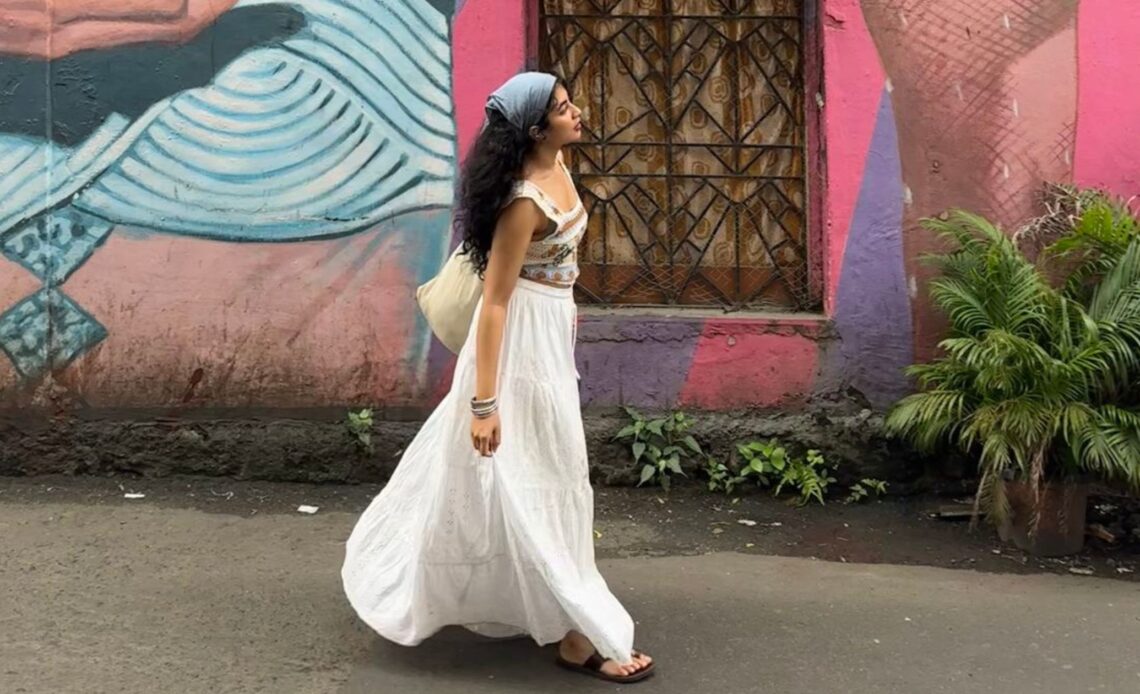
India’s cities don’t just sell food, culture, or startup stories — they dress the nation. From the skate parks of Bengaluru to the festival-frenzied lanes of Jaipur, street style in India has become an expressive, rapidly evolving language. It borrows from global subcultures (hip-hop, skate, Y2K revival), reworks traditional textiles, and folds sustainability into everyday outfits. This article maps the key street-style trends emerging across major Indian cities, highlights the homegrown brands pushing the movement, and shows practical ways you can wear these looks — responsibly.
Why city street style matters (and why you should pay attention)
Street style is the crossroads where people, place, and culture meet. Unlike runway fashion, street style evolves organically — through commuting, markets, music scenes, and communities. When a look spreads in a city with strong cultural influence (think Mumbai or Delhi), it ripples into national retail, social feeds, and even mainstream brand collaborations. In 2025 this pattern is more visible than ever: Indian consumers are voting with purchases for bold colors, fusion silhouettes, and eco-minded labels.
Quick trend signals across India (summary)
- Sustainable & artisanal pieces: A strong move toward handloom, upcycled items, and plant-based leathers. Young shoppers prioritize brands that show transparent sourcing.
- Streetwear + local motifs: Graphic tees, cargo silhouettes, and sneakers combined with regional prints or embroidery — a fusion of global streetwear and Indian craft.
- Denim reinvention: Oversized jackets, patchwork denim, and denim-on-denim with intentional distressing.
- Color comeback: Maximalist palettes — vibrant co-ords and printed sets — are replacing muted palettes for many urban youth.
(Each city below expands on how these signals translate into local personalities.)
Mumbai — Grit, glam and everyday performance
Mumbai street style is performance-driven: it needs to survive monsoon puddles, crowded trains, late-night gigs, and casual client meetups. The city’s look blends utility (train-friendly layers, crossbody bags) with bold personality — loud prints, graphic tees, and celebrity-inspired drops. Streetwear labels and skate culture have a visible presence across Bandra, Colaba, and Versova; local shops and pop-ups often act as trend incubators. If you want a Mumbai-inspired wardrobe: think water-resistant outerwear, statement tees layered under blazers, and sneakers that can pull double duty for commuting and nightlife.
Styling tips inspired by Mumbai
- Layer a lightweight bomber over a graphic tee; add slim cargo pants for an urban edge.
- Choose versatile footwear: chunky sneakers or waterproof boots.
- Add an accessory that reads local — a handcrafted strap, enamel pin, or a vintage Bollywood tee.
Delhi / NCR — Experimental layering and statement tailoring
Delhi’s street style lives at the intersection of politics, parties, and designer markets. Here you’ll find bold experimentation: oversized silhouettes, statement tailoring, and hybrid ethnic-meets-utility looks (think kurtas paired with combat boots). Markets like Khan Market and Hauz Khas play host to mix-and-match wardrobes where traditional textiles are styled in contemporary ways. Youth culture here also embraces statement outerwear — bold coats or long vests — as a canvas for personal expression.
Styling tips inspired by Delhi
- Pair a tailored long coat with joggers and formal boots for high-low contrast.
- Use a tonal kurta under a structured jacket to add texture and cultural references.
- Accessorize with bold scarves or hats to lift monochrome looks.
Bengaluru — Tech-casual, sneakers, and the practical cool
Bengaluru’s style is relaxed, tech-minded, and skateboard-influenced. The city’s sartorial identity favors comfort: clean silhouettes, breathable fabrics, and functional details (zippered pockets, tech fabrics). At the same time, a growing sneaker and streetwear scene has democratized fashion, bringing indie labels and multi-brand stores into the mainstream. If you want a Bengaluru look: adopt minimal layers, focus on fit, and treat sneakers as the outfit’s focal point.
Styling tips inspired by Bengaluru
- Invest in one statement sneaker and build outfits around it.
- Opt for technical fabrics for long office days and warm evenings.
- Keep color palettes warm and approachable — greys, olive, and navy with a pop.
Kolkata — Nostalgia, tailored vintage, and literary cool
Kolkata’s street style honors craft, literature, and timeless tailoring. You’ll see vintage knits, classic lo-fi tailoring, and intelligent layering — often in muted palettes with occasional bursts of color. The city’s fashion leans into nostalgia: thrifted finds, well-curated bookstores, and conversation-starting jackets. For a Kolkata look: prioritize fit and finishing over loud logos; embrace textured fabrics and hand-stitched details.
Styling tips inspired by Kolkata
- Hunt for a tailored vintage blazer or a handwoven shawl.
- Pair slim trousers with retro sneakers or brogues for intellectual flair.
- Let accessories (a canvas tote, an old-school watch) tell a story.
Chennai & Hyderabad — Climate-smart fabrics and fusion details
In southern metros like Chennai and Hyderabad, climate dictates much of style. Breathable fabrics, loose silhouettes, and sun-protective layers are common. The street looks often integrate local craft: ikat prints, temple jewelry used in minimal ways, and cotton-rich ensembles. The growing nightlife and tech scenes in Hyderabad have also brought streetwear edginess into the mix. For a South-India-inspired wardrobe: choose breathable linen and cotton, focus on relaxed fits, and introduce artisanal motifs subtly.
Styling tips inspired by Chennai & Hyderabad
- Lean into linen shirts and breathable trousers.
- Use traditional prints as accents (shirt panels, pocket squares).
- Prioritize light-colored footwear and sun-protective hats.
Jaipur & Ahmedabad — Heritage prints meet contemporary silhouettes
Cities with strong craft traditions (Jaipur, Ahmedabad) are fueling a trend where regional block prints, bandhani, and handloom textiles appear in streetwear contexts. The result is vibrant co-ords, printed overshirts, and artisanal accessories used in everyday looks. This fusion offers a way to wear culture-forward outfits while staying totally street-ready. If you love prints but want modernity: choose one printed piece and keep the rest neutral.
Styling tips inspired by Jaipur & Ahmedabad
- Use block-printed overshirts over plain tees and denim for immediate impact.
- Mix handcrafted jewelry with minimalist clothing for balance.
- Try co-ord sets in regional prints for a coordinated, effortless look.
The brands and the industry footprint (who’s making the clothes)
India’s streetwear ecosystem is larger and more sophisticated than it looks. A range of homegrown brands — from niche labels to multi-brand stores — are shaping what city streets wear. Lists compiled in 2025 show the rise of multiple Indian streetwear names and multi-brand retailers that stock both global and local drops. These players are essential in translating city trends into purchasable pieces and are actively collaborating with creators to launch limited drops that spread quickly on social media.
Shopping notes
- Look for neighborhood multi-brand stores and pop-ups for the most authentic finds.
- Indie label drops often sell out quickly; follow brand socials or subscribe to release alerts.
- Thrift stores and vintage fairs are excellent hunting grounds for unique pieces.
Sustainability & craft — not a trend but a movement
Sustainability in Indian street style is not tokenism; it’s quickly becoming a baseline expectation. Consumers — especially Gen Z and younger millennials — want brands to show transparent sourcing, reuse/upcycle materials, and support local artisans. This shift shows up in street outfits as upcycled denim, khadi mixes, and leather alternatives. Brands are responding with eco-collections and collaborations tied to traditional weavers and small-scale artisans. If you care about impact, look for supply-chain transparency and durable construction when buying streetwear.
How to build a sustainable street-style wardrobe
- Buy fewer, better-made pieces. Focus on longevity.
- Hunt for pre-loved items — thrifted jackets and vintage tees add character.
- Choose natural fibers or certified recycled fabrics when possible.
How global influences are localized in India
Global subcultures — skate, hip-hop, and Y2K — arrive in India via social media and touring artists. But Indian streetwear localizes these influences by mixing in regional storytelling: a skate hoodie with block-printed panels, or a graphic tee bearing a local tagline or film reference. Local creators and micro-influencers play a huge role: they reinterpret global aesthetics through local humor, film references, and regional slang. This localization is why Indian street style feels fresh rather than derivative.
Practical wardrobe checklist — build a city-ready capsule
If you want to embrace Indian street style without overhauling your closet, start with a capsule that mixes global silhouettes and local details:
- Statement sneakers — the foundation of many street looks.
- One bold outer layer — bomber, denim jacket, or oversized coat.
- Neutral bottoms — cargos, jeans, or tailored joggers.
- Graphic tees + plain basics — rotate for quick looks.
- One artisanal piece — handloom scarf, block-printed overshirt, or handcrafted belt.
- Functional bag — crossbody or compact backpack for city life.
- Sustainable option — an upcycled jacket or certified eco tee.
How to photograph and share your street style (for creators)
Street style is visual culture. If you create content:
- Choose natural light and candid city backgrounds.
- Mix wide shots (full outfit) with detail shots (fabric, texture, accessories).
- Tell a short story: where the outfit is from, any local maker credits, or why the piece matters.
This kind of context increases engagement and helps smaller brands get discovered.
What to watch next: trend signals for 2026
Based on what’s happening across cities and the changing retail landscape, watch for:
- Even stronger fusion: more direct collaborations between artisans and street labels.
- Techwear meets sustainability: performance fabrics with low environmental footprints.
- Localized drops: city-specific capsule collections (e.g., “Mumbai Drop”, “Jaipur Edit”) that tell a neighborhood story.
- Secondhand marketplaces growth: digital platforms and community thrift events will make circular shopping mainstream.
Final thought — make it yours
Street style is a living thing — a conversation between person and place. The Indian street-style map is huge and contradictory: utility in Bengaluru, maximalism in Delhi, craft-forward in Jaipur, and performance in Mumbai. The smartest way to wear these trends is to absorb the underlying principles (function, craft, sustainability), then add a personal twist. That’s how city-inspired fashion becomes your signature.
